
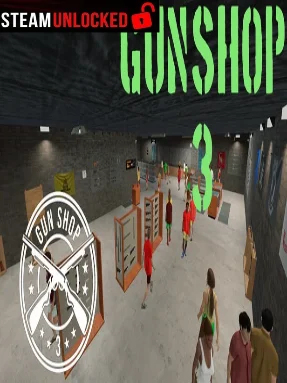
Build up your workshop by taking on high-paying service contracts that involve restoring equipment and putting custom parts together. As your business grows, you can move into larger wholesale contracts for companies and tactical teams, where you’ll need to produce entire batches of identical items while working under strict deadlines.
You’ll also be able to recycle old and unwanted equipment through the Scrapenator, turning junk into raw scrap that you can sell for extra cash. Your workshop has different machines for handling specialized fabrication jobs, letting you create and customize a wide range of components while keeping production costs under control.
Buying used equipment is another big part of running the business. Every item can have hidden problems, so you’ll need to put it on your workbench and carefully inspect it before making an offer. Finding damaged or worn-out components gives you a better idea of the item’s real value and can help you negotiate a lower purchase price while trying not to make the customer lose patience.
Running the shop also means dealing with inspections and making sure everything stays within the rules. If your business gets caught breaking regulations, you can face serious fines, so keeping everything organized and legitimate is important.
As your workshop gets bigger, you can hire different employees to handle the boring stuff. Cashiers can take care of customers and transactions, machinists can manage production queues, and janitors can keep the place clean. With your staff handling everyday tasks, you can focus more on contracts, expanding the business, and creating custom equipment.




0 Comments